Tuesday, July 25, 2006

The Ties That Bind


Sometimes, the things that bind us to our own culture can also link us to others. That’s the lesson I learned July 20 when I visited the Teresa Roldan Apartments on Paseo Boricua at 2501-11 W. Division St. in my old Humboldt Park neighborhood. Constructed by the Hispanic Housing Development Corp. (HHDC) for those 55 and older, the five-story, 59-unit affordable rental building was designed to reflect an architectural style typical of buildings in Old San Juan, Puerto Rico.

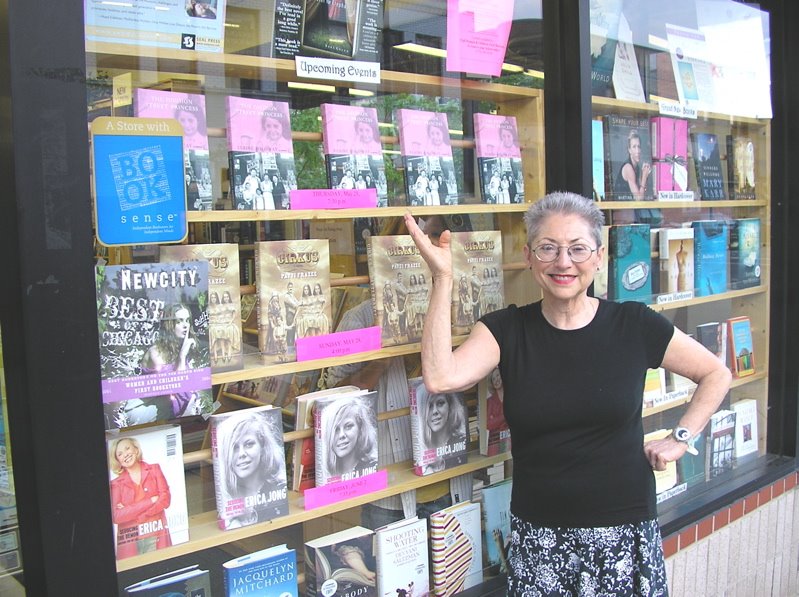
My original goal was to see the property that had blossomed on the site of my childhood home and grocery store – the places I describe in my memoir, “The Division Street Princess.” Also, I hoped to donate signed copies of my book to the building’s library. But thanks to the residents of the Roldan apartments and leaders of the Humboldt Park community whom I met that day, that intent soon evolved into a heart-to-heart conversation that proved enlightening for all.

When I consider my Jewish heritage, I’m blessed by concern for family and a desire to make life better for those we love. In the 1940s, that took shape in my parents’ American dream of education for their kids (immigrants from Russia, my dad –- one of six -- never went to high school, let along college; Mom and her seven siblings graduated from Tuley high school) and economic success for their mom-and-pop grocery store.

During my visit to my old neighborhood, I found that same concern and dream along Paseo Boricua, the section of Division Street anchored by two, 45-town steel Puerto Rican flags. I learned that our similarities trumped differences. True, shopkeepers now sprinkle their patter with Spanish instead of Yiddish, building facades can be sunburst yellow instead of faded red brick, and a sleek No.70 Division Street bus speeds along its asphalt path rather than the old Red Pullman that was hooked to overhead cables and ran along streetcar tracks.

But these changes are simply history book entries that color an era, give evidence to what came before and what is now. They are links, not barriers. Guideposts, not fences.

The men and women I met during my visit to Paseo Boricua welcomed me as if I were their own returning daughter, and they shared their stories: Paul Roldan, president of the HHDC, told me how his parents met on New York’s Lower East Side despite growing up in the same Puerto Rican town, Aqua Villa. Ignacio De La Rosa, who had owned a grocery in the neighborhood like my parents, said he loved the same statue I had placed in my memoir – the one at the entry to Humboldt Park and now needing attention and repair. Pablo Pepsin, Sr., a longtime resident of the community, studied my father’s photo on “The Division Street Princess” book cover, and said, “I knew him. I shopped in your store.”
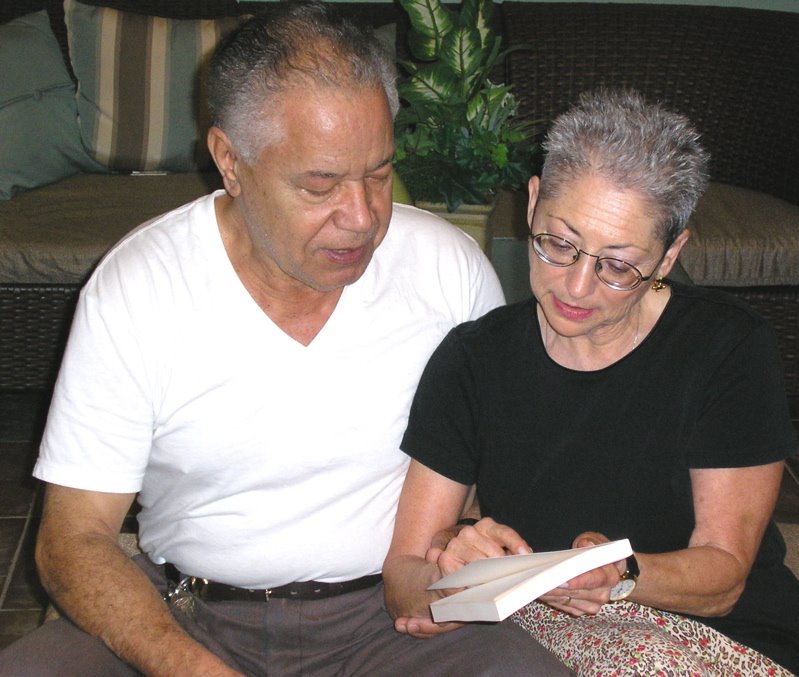

Pablo Pepin, Sr. and me.


Left to right: Ignacio DeLaRosa, Paul Roldan, and Candida R. Agron. Standing Angel Lopez

Along with Roldan, I met other community leaders, like highly respected Billy Ocasio, alderman of the 26th Ward for the past 10 years who has fought to halt discrimination, and encourage affordable housing, economic development, and school reform.

Left to right: Paul Roldan, president, Hispanic Housing Development Corp.; me, Billy Ocasio, Alderman 26th Ward; and Jose E. Lopez, executive director, Puerto Rican Cultural Center

Enrique Salgado, Jr., is executive director of the Division Street Business Development Association (DSBDA), a 22-year-old organization that nurtures and enriches the neighborhood by celebrating the cultural heritage of residents, and at the same time, striving for economic success for business owners. The steel Puerto Rican flags, plus stabilization of existing shops, and influx of new businesses and jobs, are testimony to the DSBDA’s progress.

Jose E. Lopez, executive director of the Puerto Rican Cultural Center, which is considered the intellectual anchor of the community, also serves as local historian. Lopez and the Center promote social service programs to answer health and educational needs while reaffirming the neighborhood’s cultural legacy.

My visit culminated at lunch in Nellie’s Restaurant, 2458 W. Division St. (773-252-5520), cattycorner from Irv’s Finer Foods (1940s) and the Teresa Roldan Apartments (2006). And yes, I found another similarity between our heritages: we love food! I enjoyed a delicious ceviche salad recommended by Lopez, while enviously sampling Roldan’s plate of fried pork and plantains. (Note to kosher or Weight Watcher friends: I know, I know…)

This visit to Division Street in its reincarnation as Paseo Boricua, encouraged me to declare myself an honorary hija; and my new friends -- sensing an ally to their cause – are including me and “The Division Street Princess” in future plans. Watch this space for more ways this grocer’s daughter and Paseo Boricua’s residents will work together to prove that history, plus respect and admiration, can link, rather than separate, people who truly care about their families, their community, their city, and yes, their cultural heritages.
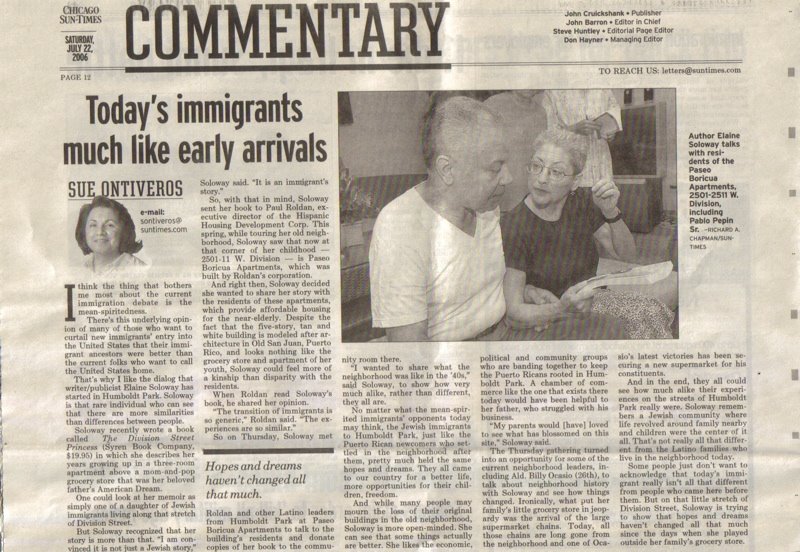

Today's immigrants much like early arrivals
July 22, 2006
BY SUE ONTIVEROS SUN-TIMES COLUMNIST


Stirring the melting pot
July 27, 2006
BY TIMOTHY INKLEBARGER, Staff Writer
CHICAGO JOURNAL

Tuesday, July 18, 2006

Women Who Love Books + My Yen for Yates


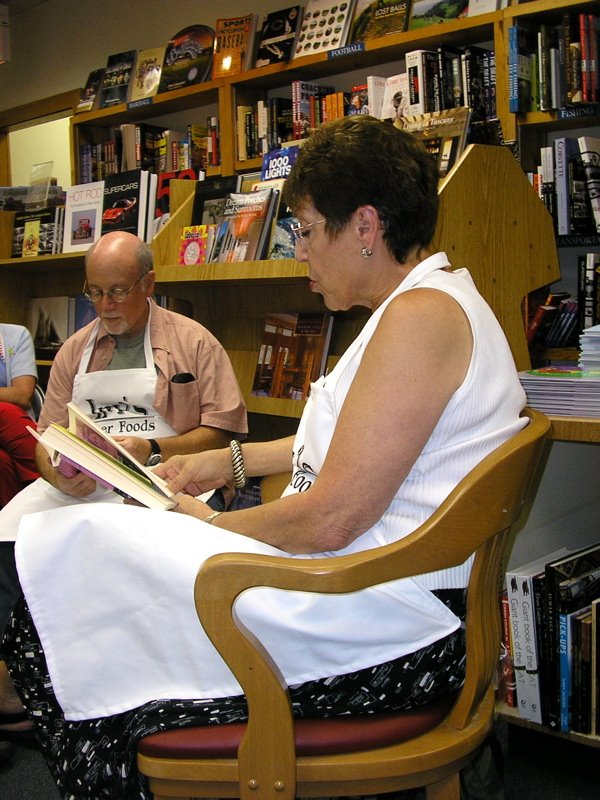
Today’s post was inspired by my July 11 appearance at the Women Who Love Books (WWLB) book club. Actually, this group of readers who live in Lincolnwood and in Chicago’s Peterson Park neighborhood doesn’t have a name, but I gave them one for the purpose of this blog. My friend and booster Beverly Fischmann Steinberg is a member of the WWLB club and proposed my memoir “The Division Street Princess” as it’s monthly selection.

I’ve been a book club member in the past but this was my first experience as the guest author. My longtime friend Ruth Gilbert joined me in reading passages from the book and in the discussion that followed. I had a wonderful time being the center of attention, answering thoughtful questions about my book, and revealing secrets about publishing and marketing. It’s obvious this group’s devotion to reading justifies the tag I’ve given them.

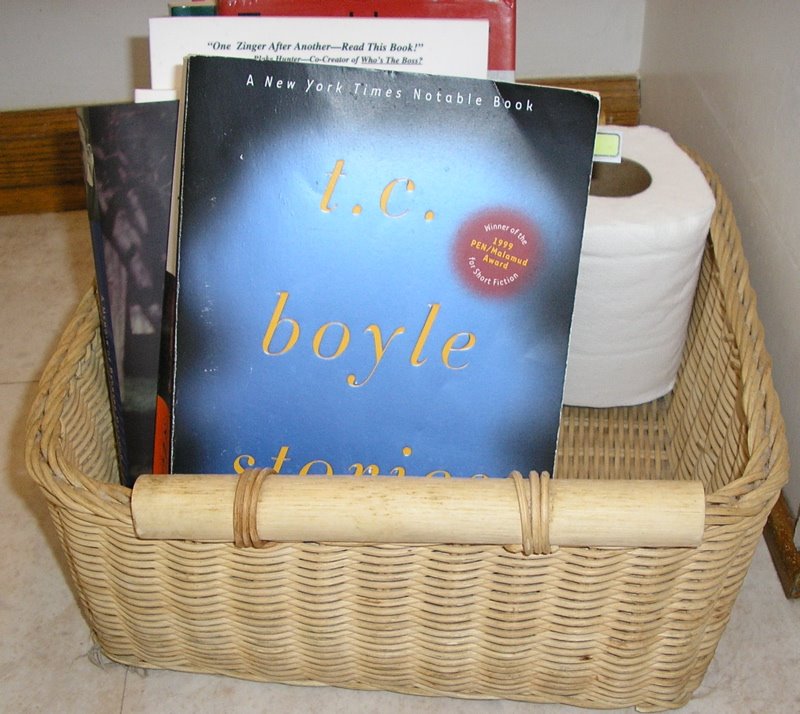
The special event sent me musing about books and their place in my life, in my home, and about my favorite author. As evidence of my love for books, I’m revealing a list of sites in our home (my husband Tommy is an enthusiastic reader, too) where I stash books currently being read. In my backpack, “Family History” by Dani Shapiro; powder room (also known as the Library, as in “I’m going to the Library.”) “Stories,” T.C. Boyle; living room coffee table “Queen of the Oddballs" Hillary Carlip; upstairs bathroom, “Children Playing Before a Statue of Hercules” David Sedaris; and nightstand, “Gardenias” by Faith Sullivan.

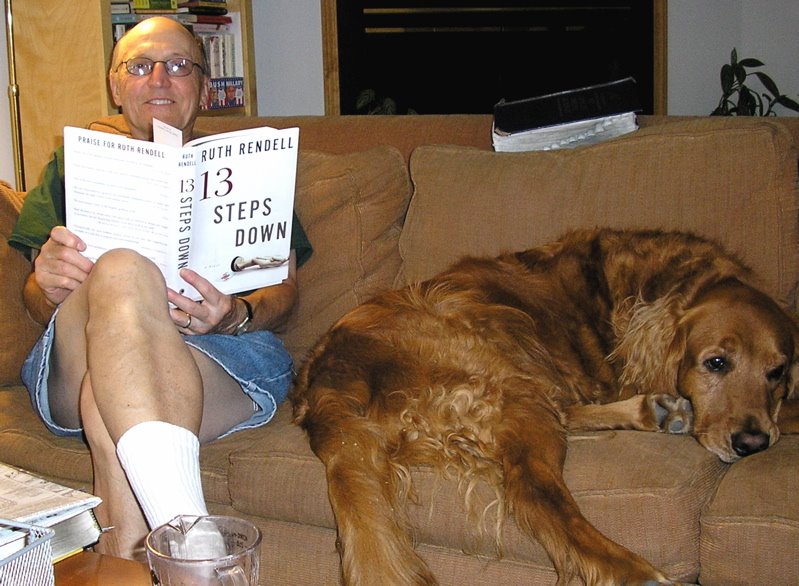
Tommy is a fan of mysteries and historical novels; Buddy patiently waits for someone to put down his book or her camera and pay attention to their pup.

The Library


You can meet talented and ingenious writer Hillary Carlip in person on Thursday, July 20, 7:30 p.m. at the Bookslut Reading Series to be held at Hopleaf bar, 5148 N. Clark St., 2nd Floor, 773-334-9851. Hillary’s book is a special treat. For verification, read my review on her Amazon page.

As you can see, I enjoy a variety of writers and genres, but I confess to a passion for Richard Yates, whom I discovered November 14, 2003 in an article in the Chicago Reader. Written by J.R. Jones and titled “Out of the Wreckage,” the nearly 5,000-word piece reveals Yates’ “compassion for life’s losers that made his stories heartbreaking,” and describes Yates’ most well-known book, “Revolutionary Road” (1961) that “peers…into the anguished soul of middle-class America in the 1950s.”

Richard Yates

Jones’ intriguing write-up (perhaps Yates’ four-pack-a-day cigarette habit and his frequent themes of failed dreams reminded me of my dad) sped me to bookstore shelves. After relishing “Revolutionary Road,” I went on to read all of Yates’ novels and short stories available at the time, as well as a 2003 biography by Blake Bailey, “A Tragic Honesty: The Life and Work of Richard Yates.”

Although Yates was praised by critics; and “Revolutionary Road” was a finalist for the National Book Award, his short stories were regularly published in major literary magazines, and four Yates’ novels were Book-of-the-Month club selections, he never sold more than 12,000 copies of any one book in hardcover. Along with this dismissal by the general reading public, Yates is considered a tragic figure because he suffered from alcoholism, tuberculosis, emphysema, and bipolar disorder. He died in 1992 at the age of 66 never fulfilling his own dreams of happy family and successful career.

Yates may be an odd choice for my muse, but I became so enamored of his work that I selected lines from his short story “Saying Goodbye to Sally” to be on the epigraph page for “The Division Street Princess.” Somehow, this quote evokes my feelings about revisiting my childhood: “He stood watching until after she’d gone inside, and until the tall windows of one room after another cast their sudden light into the darkness. Then more lights came on and more, room upon room, as Sally ventured deeper into the house she had always loved and probably always would – having it now, for the first time and at least for a little while, all to herself.”

Tuesday, July 11, 2006

Blue Skies: Starring Three Irvings

Today, July 11, is my dad’s birthday. If Irving Shapiro were alive today, we would be celebrating his 97th year. My father would have never reached this milestone, though, because he managed to accumulate at least four risk factors for heart disease: obesity, diet, diabetes, and smoking. I won’t reveal his age at the time of his death because that would spoil the ending of my memoir, THE DIVISION STREET PRINCESS. Let’s just say it was younger than two other Irvings you’ll meet in today’s post: Irving Berlin, the American composer and lyricist, and Irving Berlin, a 1940s grocer like my dad.


The more famous Irving Berlin never learned how to play a piano or read music beyond a basic level, but wrote over 3,000 songs and also produced 17 film and 21 Broadway scores. Born to a Jewish family in Russia (like my father) this Irving died of a heart attack at the age of 101. Lyrics for Blue Skies -- the 1926 hit song that was featured in the first talkie, Al Jolson’s The Jazz Singer -- close out this post. I selected this number out of Berlin’s enormous repertoire because it seems to capture my dad’s philosophy of life.

The second Irving Berlin is the father of Howard Berlin, who is married to my friend, Norma. I chose the story of Howard and his father Irving because these Berlins were a grocery store family like mine. Perhaps these two Irvings have already met in the food aisles of the afterlife; but if not, they can get acquainted here in cyberspace.


This is a photo of Howard taken recently at 4138 N. Sheridan Rd. in Chicago’s Uptown neighborhood where one of his family’s two stores stood. Howard’s experience as a grocery kinderlach mirrors my brother Ron’s because both sons helped out by working in the store and by making deliveries.

An anesthesiologist today, Howard recalls his early “mom & pop” days: “One of the major problems of having a small store was the time needed to keep it going. My father was a hard worker and spent long hours in the store. I remember, especially after the war, my father bemoaning the growth of the chain stores – the A & P and National. When my father was forced to retire in 1949 his complaints stopped. Now he was a big fan of the chain stores and looked for the bargains. I don’t think my family ever shopped in a small grocery store again.” (Howard’s dad suffered two heart attacks before he retired, and lived another 20 years. He died at the age of 73 after his seventh – yes, seventh – and final attack. What’s with Jewish men and heart disease?)

As for my own dad, Irving Shapiro, he left the grocery business in 1951; and once more, I’ll send you to the pages of THE DIVISION STREET PRINCESS for details. But here his similarity with Irving Berlin (the grocer, not the songwriter) ends, because my Irving was hardly a bargain hunter. Dad lived life in excess (remember the four risk factors) and spent money even if his pockets were bare.


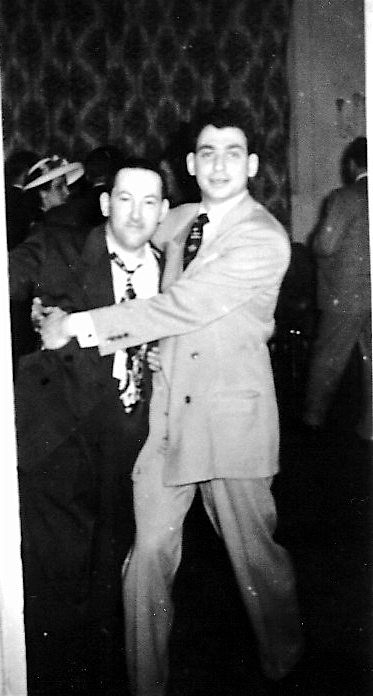
I’ve included a photo of my dad taken at Ronnie’s bar mitzvah in 1948. I love this picture because it shows Dad having a swell time. My mother’s youngest brother, Hy Elkin, is pictured dancing with my boozy father. To accompany the photo, I’ve submitted a paragraph from the book -- evidence of my childhood angst about carefree Irving Shapiro:

“Several of my young uncles took turns breaking from the ring to dance the kazatska in the center. With arms folded across their sinewy chests, they squatted almost to the floor, shot their legs alternately out in front of them, then hopped upright with a whoop. We clapped and cheered to egg the boys on. But when my shikker father leapt dizzily into the spotlight, I became alarmed. Didn’t the doctor tell him to watch himself? To stop smoking? To lose weight? Didn’t the doctor warn Dad that his diabetes could weaken his heart as it did his feet, his gums? He had almost lost a limb to gangrene, and I had already witnessed Dad’s false teeth floating nightly in a drinking glass. What other part of his body would be next to fail?

Yanking the elbow of his herringbone suit, and shouting to be heard over the orchestra’s horns and relatives’ hoots, I screamed, ‘Daddy, stop, you’ll get sick!’

With his brown eyes as bright as the morning’s Eternal Flame, Dad brushed my anxious hand from his sweat-soaked suit, and slurred, ‘I’m having a good time, Princess, let me have a good time.’”

Blue Skies by Irving Berlin

I was blue, just as blue as I could be
Every day was a cloudy day for me
Then good luck came a-knocking at my door
Skies were gray but they’re not gray anymore

Blue skies
Smiling at me
Nothing but blue skies
Do I see

Bluebirds
Singing a song
Nothing but bluebirds
All day long

Never saw the sun shining so bright
Never saw things going so right
Noticing the days hurrying by
When you’re in love, my how they fly

Blue days
All of them gone
Nothing but blue skies
From now on

[2]
I should care if the wind blows east or west
I should fret if the worst looks like the best
I should mind if they say it can’t be true
I should smile, that’s exactly what I do

Tuesday, July 04, 2006

I Forced a Mac on My Daughter

Scratch a Jewish mother and you’ll likely find a woman itching to buy her daughter apparel. (See excerpt below from THE DIVISION STREET PRINCESS.) But for this first generation Yiddish Momma, I wasn’t content until my daughter Faith let me buy her a Mac.

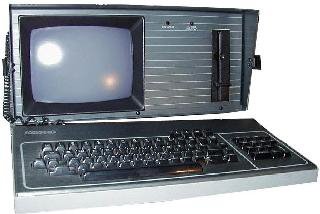
Some history: I’ve been a computer user and fan of the product since the 1980s with my first army-green Kaypro and WordStar software. I eventually graduated to Gateways and Word Perfect. Over the years, I accumulated and discarded several desktops and one laptop.


“You’re not a Mac person?” friends with Macs would ask in surprise. “Too tricky to change,” I’d answer, “and besides, Macs are for graphics people.”

Finally, in December of 2004, plagued by viruses, spy ware, and the programs intended to bar them, my computers ceased to be fun. It was time to switch, but first, as is my wont in new pursuits, I got immersed in Mac manuals, visits to the Michigan Ave. and Old Orchard Apple stores, and free classes. Also, I waylaid any Mac coffee shop user who erred by working on his laptop in my line of vision.

Persuaded I could handle change, I bought an iMac G5 desktop and gave myself and my new pet a few weeks to get to know each other. Then it happened: I was hooked, addicted. Ripping and burning to iTunes, importing to iPhoto, dragging files to the Desktop or Trash. Soon, an iPod Shuffle, a Nano, and finally a PowerBook entered my iLife. I became – drum roll here – a certified M.O. (Mac Obnoxious).

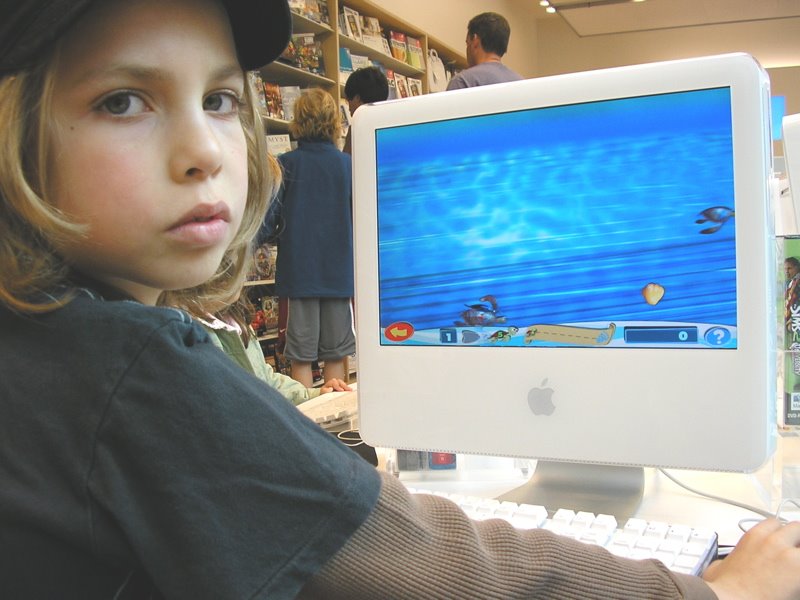
Not satisfied with my own collection of Apple products, I vowed to win over everyone else in my life, starting with my own family. Figuring my 8-year-old grandson would be most amenable to conversion, I wooed him during a visit to Los Angeles. “Just put these in,” I cooed as I gently stuffed Shuffle buds into his tiny ears. “Nice grandma,” he said as Carmen McRae continued the seduction. His 9th birthday won him a Nano from all grandparents, and an iBook from his parents. My first success!

My L.A. grandson being wooed in the Apple store at The Grove.

Emboldened with the taste of tech, I tried my spiel on PC friends, but recognizing they were beyond salvation, and also because they ran whenever they saw me approach, I returned to my original scheme and targets: my two daughters.

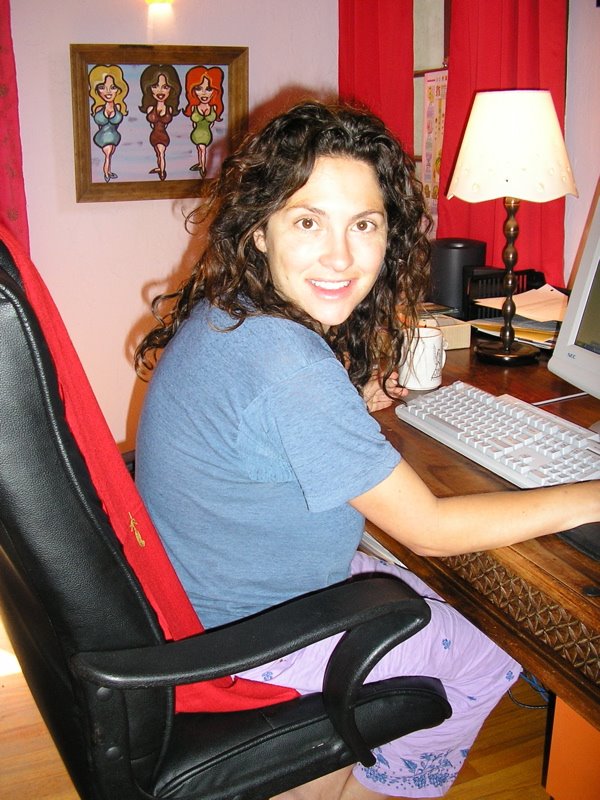
When I learned Jill was borrowing her son’s laptop for Starbucks visits, I cackled to myself. To my Macs I said, “It’s just a matter of time. She’ll soon be ours.”

Jill, pre-Mac and unaware of my devilish plans.

Finally, her e-mail, “You’ll be happy to hear…” was the subject line. Two down, one to go. Not only did Jill get a Mac desktop, but her machine included a camera and iChat. Video conferencing from L.A. to Chicago (okay, early shots were of Jill and my grandson making silly faces) followed, with a hunger on my part, for a new Apple product, an iSight camera.

As for Faith, my last holdout, fate intervened. A visit to her home in Boston required my laptop’s participation. As Faith and her daughter watched her sister and nephew cavort on the West Coast, I sensed an opening. “You need a Mac,” I said. “I can’t afford it,” she answered, “although my Dell is driving me crazy.”

Did my eyes brighten with lust, my heart quicken? I’m ashamed to admit such emotions as my prey slacked before me.

“I’ll buy it for you,” I said, the words spilling before my brain could calculate my income to debt ratio.

“Oh, Mommy, I can’t accept it,” she said, and quickly added, “but how could I turn you down.”

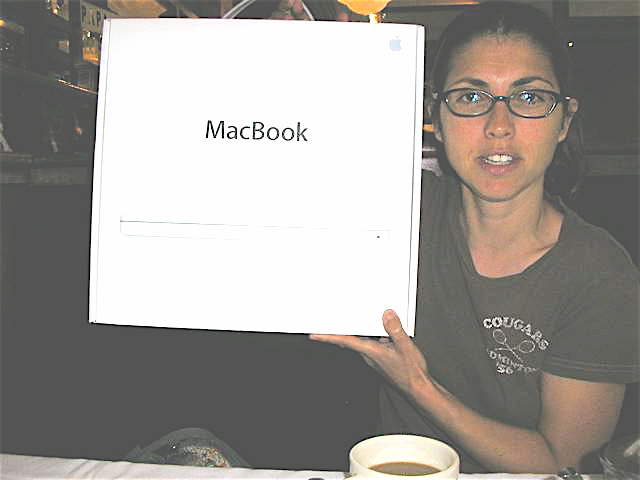
If I knew how to link a sigh of contentment to this essay, it would go right here. We plugged in her Mac iBook upon our return from the Apple store in Chestnut Hill, MA. And before we could say “Steve Jobs” my daughter and grandson’s punims sailed wirelessly to the East Coast.

Faith, success!

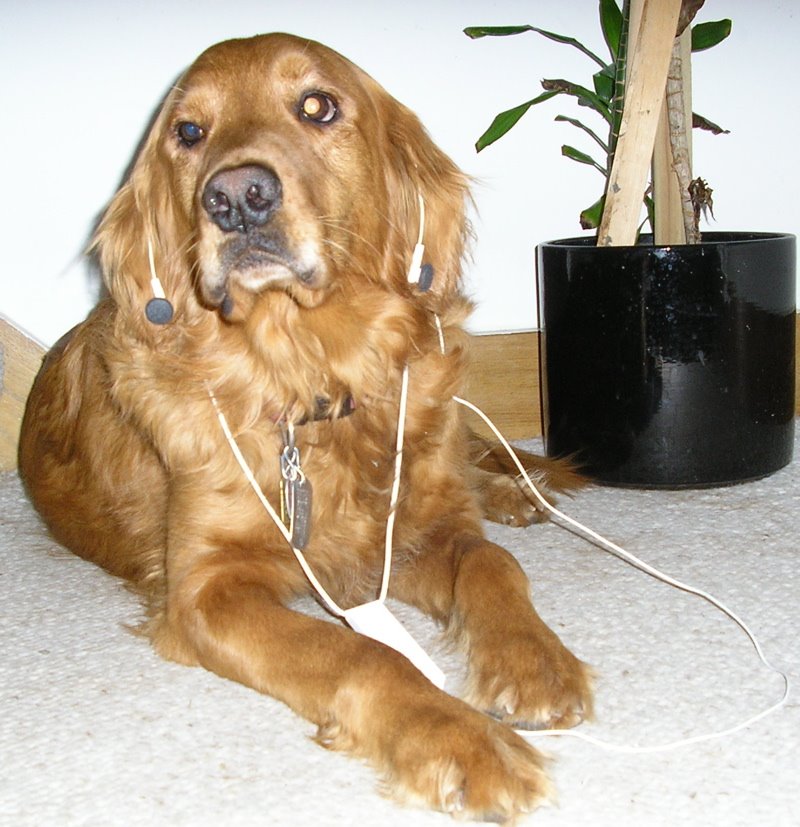
Buddy, our golden retriever, not certain if my iPod Shuffle is his thing. I didn’t press it.

My work here is done. And now, from THE DIVISION STREET PRINCESS, Chapter Six, “From Your Lips to God’s Ears,” my mother Min’s misguided attempt to gift her only daughter:

“I remembered my excitement on the Saturday Mother had returned with the skirt. Racing to the door to relieve her of her Carson’s, Stevens’, and Fair’s shopping bags; I shouted, ‘Let me see, let me see.’ I tossed out the tissue paper, seeking something delightful, but instead fished out the homely, scratchy skirt.

‘Isn’t it pretty,’ Mother had said excitedly. ‘I got it on sale. Try it on.’
‘Yes, Mom, pretty,’ I had said, my voice a bass to her soprano. ‘But I’ll try it on later. Okay?’ I considered telling her the truth then and there, but kept my mouth shut.

What I wanted to say was that I not only hated the green skirt, but I loathed all of the clothing she bought for me. I wanted to tell her that pleated skirts made me look fat, that none of my pals wore black pullovers with red satin roses stitched above the heart, and that the one-inch wedge on my slip-on leather shoes wouldn’t stop me from being the shortest child in the fourth grade. But I feared honesty might hurt her feelings or turn her against me, so I had feigned delight.”

Thursday, June 22, 2006

Need a Hug?


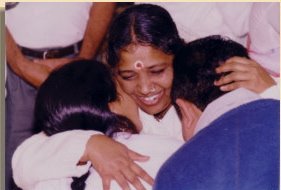
Have you heard about India’s “hugging saint?”
Mata Amritanandamayi known as “Amma” is reported to have given more than 26 million hugs. According to a recent article in Conscious Choice magazine, “Amma’s long, tender motherly enfoldment has become her trademark gesture of compassion.”

This got me to thinking, and I admit to a hugging habit myself. Admittedly not as selfless, humanitarian, or revered as Amma; and certainly not as impactful, my hugs engulf various audience members at my book signings -- especially those who offer praise for my memoir, The Division Street Princess.

As evidence of my growing habit (I’m up to about 200), here’s photos from recent events:

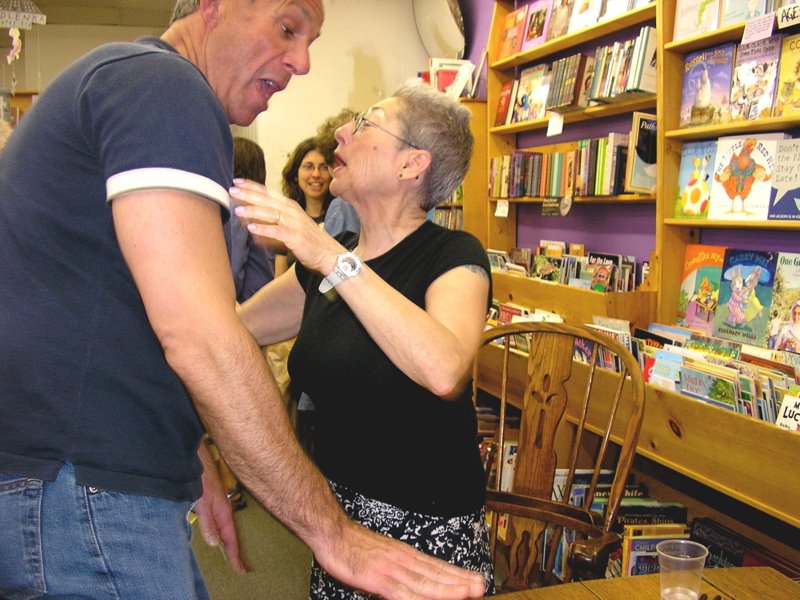
My good friend Phil Rozen expressing surprise at an upcoming hug. Phil is Director of Corporate Communications for Paterno Wines. Daughter Faith Soloway is in the background. This was taken at the Women & Children First event May 25th.

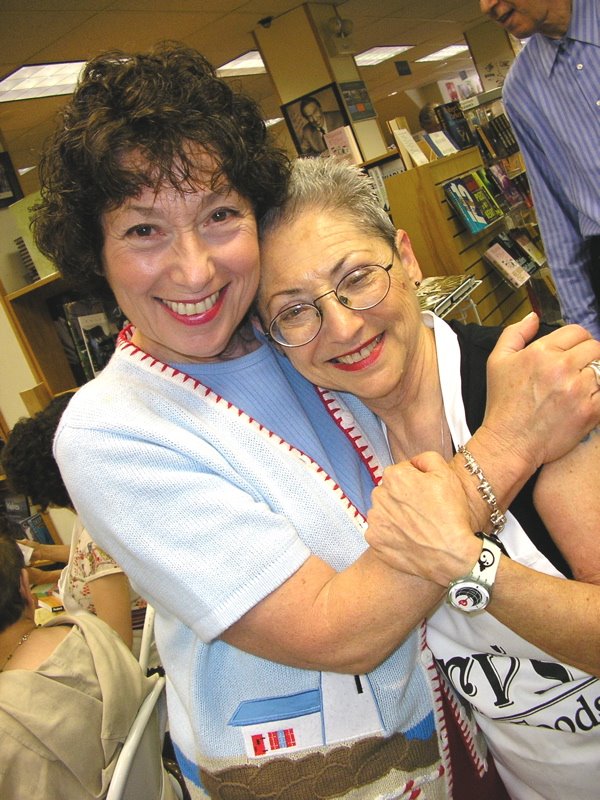
Beverly Fischmann Steinberg, an old school chum and a member of Roosevelt High School’s 1956 Reunion Committee. Bev’s been a cheerleader for the book and happily accepted this hug at the Book Stall June 20th. When not dragging people to my events, Bev is head of Help! Unlimited Personalized Timesaving Services.

This lanky fellow is my cousin Warren, son of Mollie (Elkin) and Jack Silver. Warren, a talented writer himself, appears in my book, as does his parents. Despite the disparity in sizes, we managed a warm, familial hug.

Sheila Sered Gideon, a good hugger, too, is a Roosevelt High classmate and friend.

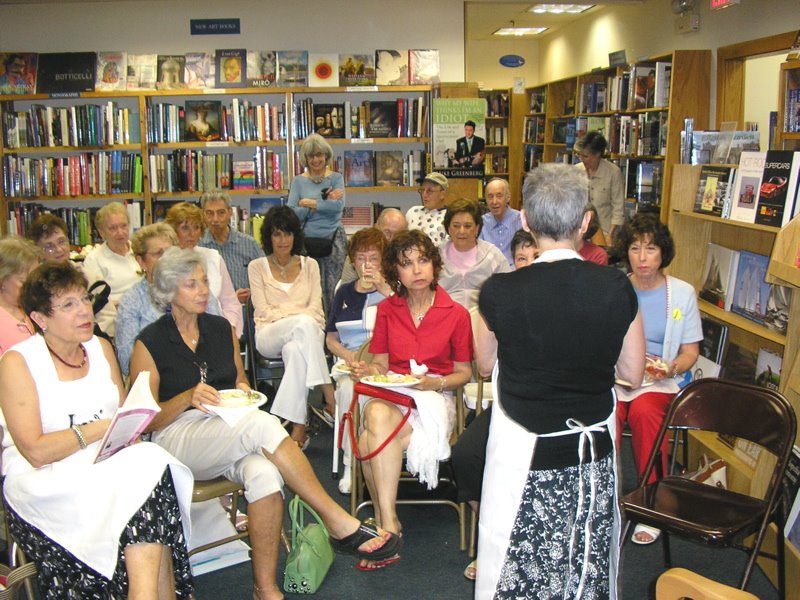
No hugging here, just a crowd shot from the Book Stall in Winnetka where some 50 people came to hear apron-clad readings from friends and relatives. The author is viewed humbly from the back.

Ruth Gilbert, with my cousin Neil Shapiro in the background.

Cousin Renee Elkin standing and Alisa Rosenthal seated. Alisa is the daughter of my good friend Marshall Rosenthal, another Roosevelt High alumnus, and now Director of Communications and Government Relations for Golden Apple.

Wednesday, June 14, 2006

Beach Scenes: Pictures and Words

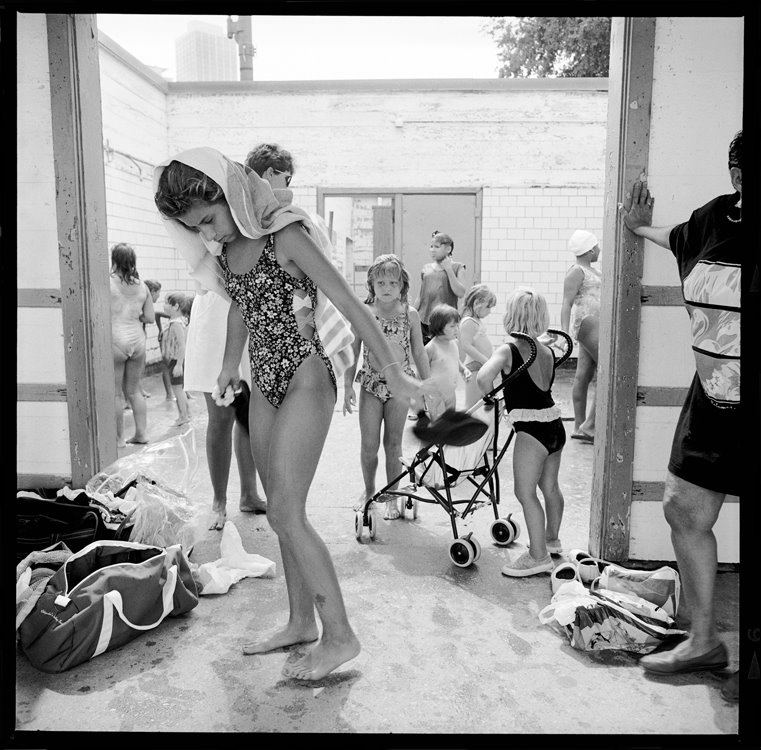
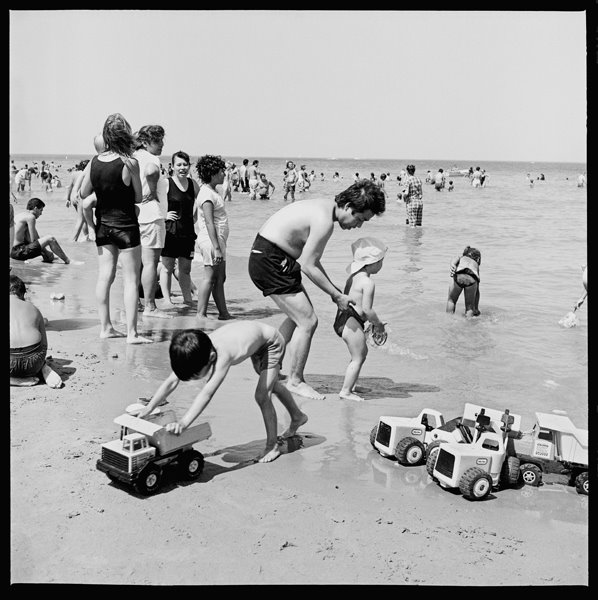
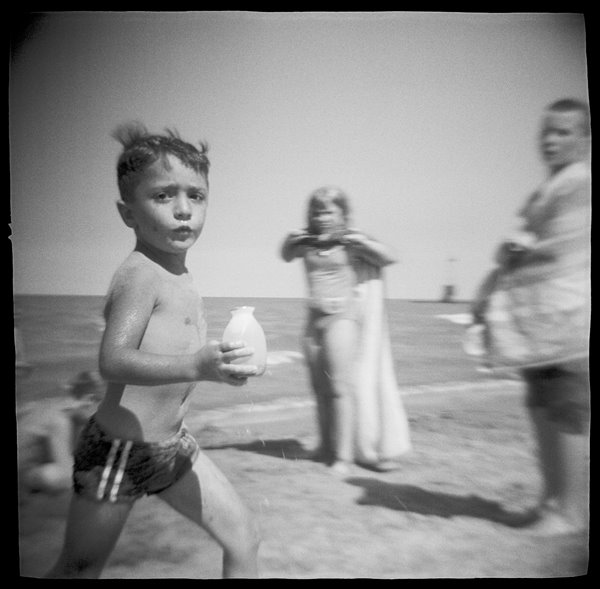
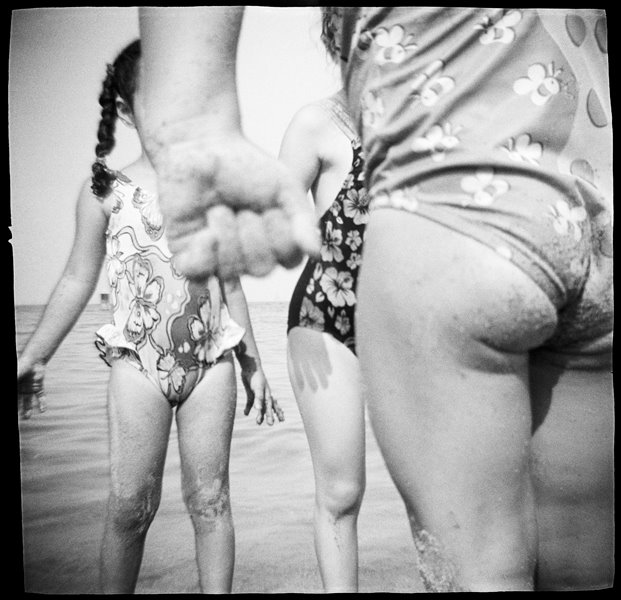
Lucky me, I’m related to talented people. Today we’re focusing on my cousin Renee Elkin a gifted photographer and teacher who also served as photo editor for THE DIVISION STREET PRINCESS. In the post that follows, Renee generously shares four photos from her upcoming artist-made book, “Beach Photography: A Retrospective by Renee S. Elkin.”

Her black-and-white photos are titled: Montrose Beach Showers, Push-Pull, Supergirl, and Fist; and all are ©Renee S. Elkin. I think you’ll agree the images are beautiful, evocative, and intriguing.

I’ve also included some text from my memoir – just a few paragraphs lifted here and there from a chapter called “Mum’s The Word” -- which describes an adventure at Chicago’s North Avenue Beach in the 1940s.


“With one hand on the banister and the other carrying a straw bag that held my magazines and eyeglasses, and with my feet in barely-buckled sandals, I raced two-at-a-time down the stairs and out the door to meet Mrs. Levinson. She was clutching a brown paper shopping bag filled with supplies for our outing: suntan lotion, peanut butter and jelly sandwiches, apples, and comic books. Ben was carrying several scratchy, mustard-colored woolen blankets from the Army-Navy surplus store. Sam, the middle Levinson son, held two thermos jugs of purple Kool-Aid. Allan, the youngest, swung plastic pails and shovels…

“As the streetcar reached the end of the line, about three miles from home, we still had a six-block steamy trudge to the lakefront. I almost regretted arriving at our destination because it meant the finale of my daydreams. But as soon as I saw the pretend smokestacks of North Avenue Beach’s boathouse, I was eager for the mecheich (pleasure) the cool lake would offer…

“At the gangplank, we all removed our shoes, then skipped barefooted across frying sand until we found spots for our blankets. After unloading her shopping bag, Mrs. Levinson settled on one blanket, Allan claimed a place in the sand for digging, and Sam and Ben raced into the lake, shouting as the chilly water knifed their bare skin...

“After shedding my playclothes and before tiptoeing in, I put my eyeglasses on to see where the lifeguard was stationed. A suntanned adolescent in red Park District bathing trunks (‘visible for miles’ according to a story in the newspaper announcing the start of beach season) stood at the foot of his wooden perch. He was chatting with a teenage girl in a two-piece bathing suit, but kept one hand on the whistle around his neck. Although the lifeguard was at his post, I was troubled he wasn’t scanning the lake. I didn’t know how to swim and was afraid of deep water, but I quashed my anxiety, placed my glasses inside my bag; and tiptoed over sand, stones, shells, and dead fish.”

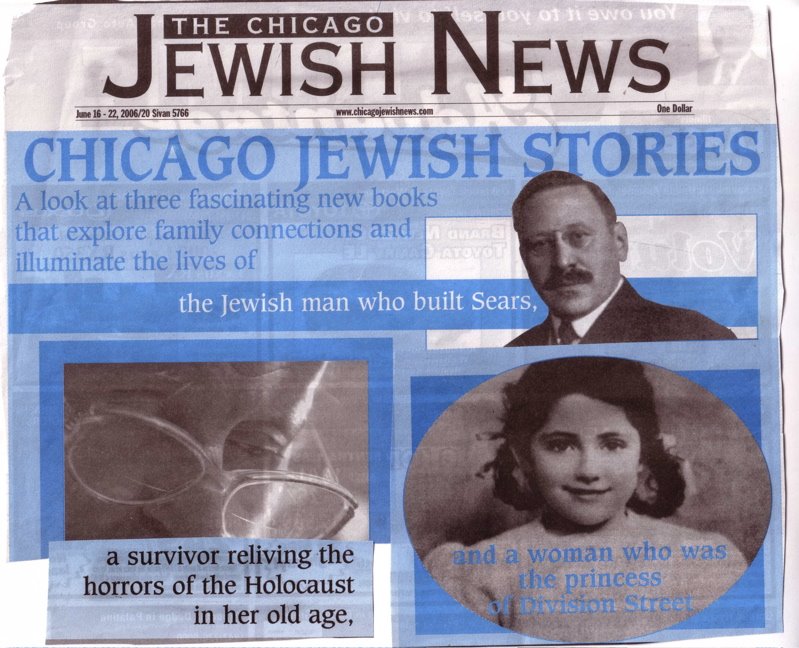
Postscript: We made the cover page of the June 16-22 issue of The Chicago Jewish News. Check out Pauline Dubkin Yearwood's terrific review of "Julius Rosenwald: The Man Who Built Sears, Roebuck and Advanced the Cause of Black Education in the American South" by Peter Ascoli, "The First and Final Nightmare of Sonia Reich" by Howard Reich, and "The Division Street Princess," by you know who. Here's the cover:

Thursday, June 08, 2006

Bernard Malamud & Irv Shapiro: Happy Father’s Day


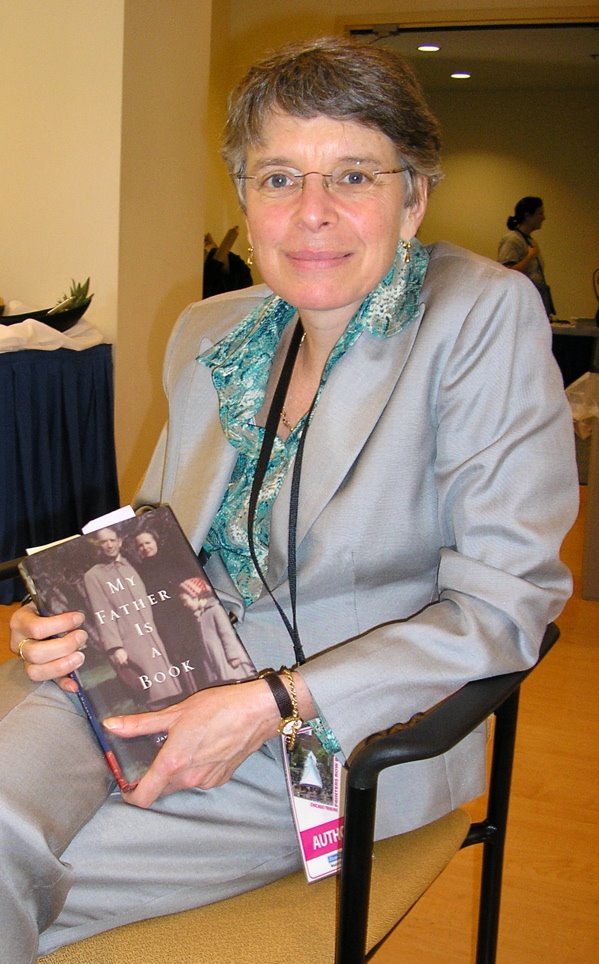
Pictured: Janna Malamud Smith as she waits to go onstage for her June 4 appearance at the Printers Row Book Fair. Kind and generous, this writer and psychotherapist agreed to be photographed for my blog.

On the 20th anniversary of Bernard Malamud’s death, Janna Malamud Smith explores her renowned father’s life and literary legacy in her new book, MY FATHER IS A BOOK. For this year’s upcoming Father’s Day, June 18, I’m giving my dad – Irv Shapiro -- the gift of residing on the same page of my blog as Bernard Malamud. I’m also suggesting that Janna’s book, and mine – THE DIVISION STREET PRINCESS – would be excellent gifts for your own father, grandfather, husband, or partner.

Despite the differences in their age, fame, and life journeys, Bernard and Irv had some things in common: they were sons of Russian-Jewish immigrants, were described as warm and funny, and were adored by their daughters. In the early pages of Janna’s book, she has a four-year-old child’s memory of her father, as do I in my book. Her excerpt goes first:

“On a Saturday morning when I was four and my mother and brother had gone out, he was writing at the dining room table and I was amusing myself…Entering the kitchen from the opposite hall, tiptoeing quietly, I opened a drawer and stealthily reached a hand into the crinkly cellophane bag of bread…
‘Janna,’ my father called. ‘Come here.’
I dropped the half-eaten bread on the stair, swallowing my mouthful while crossing the few steps through the living room and into the dining room. A black Royal typewriter sat temporarily on the table where we ate; beside it a pad of paper, a pen, a typewriter eraser.
‘What were you doing?’ he asked.
‘Nothing.’
‘Were you eating?’ He’d given me a second chance.
‘No.’
He pulled his chair back away from the table and invited me to climb into his lap. …I liked him and his lap. He no doubt saw a parenting opportunity that helped him accept the end of the morning’s writing. For me it was binary: caught or not caught.”

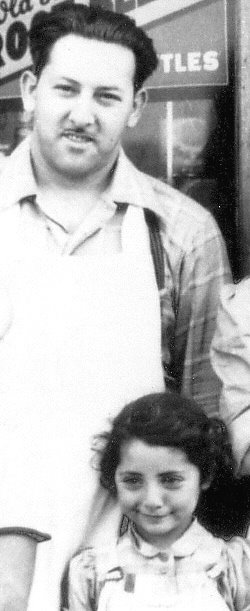
And now a photo of Dad and me, plus an excerpt from my memoir:

“In 1942, the year I turned four, my father was a $17-a-week salesman at Blue Star Auto Supply on Milwaukee Avenue. And although he felt lucky to have a job since he never went to high school, let alone college, my father -- Irving Eugene Shapiro -- hungered for more: He wanted to be his own boss. So when he spotted the For Rent sign that was scotch-taped to the plate glass window of the grocery store downstairs of our apartment, Dad took it as an omen that his fortunes would change…

He plucked a Camel from an open pack in his shirt pocket, lit it and inhaled deeply. Then resting the glowing cigarette on the ashtray’s lip, he turned to me and said, ‘You’d like me around more, wouldn’t you Princess?’ He scooped me up in his strong arms -- a lift-up I loved because I could feel Dad’s biceps. When I would comment on the hard rocks stored on his upper arms, Dad would tell me how he got those muscles. ‘Swimming laps at the Division Street Y, the very same pool as Johnny Weissmuller.’ Although Dad may have had the strength of Tarzan of the Jungle, he had the build of a wrestler. He was short -- about 5’4” -- with a broad chest, big belly, and his legs bore black-and-blue markings. Along with my nightly ride up to his chest, I also loved that my Dad called me ‘Princess,’ for the pet name made me feel special, unlike the ordinary ‘Elaine’ my mother used, or ‘peanut’ from my older brother Ronnie. ‘Princess’ -- dainty, pretty, protected -- that’s how I felt in my father’s eyes, and in his brawny arms.”

Postscript: some photos from last week’s events: Vanessa Bush and Matt Cunningham from my Chicago Public Radio interview. And from the Printers Row Book Fair: moderator Mary Davis Fournier, me, Chris Burks, and unseen, Faith Sullivan.


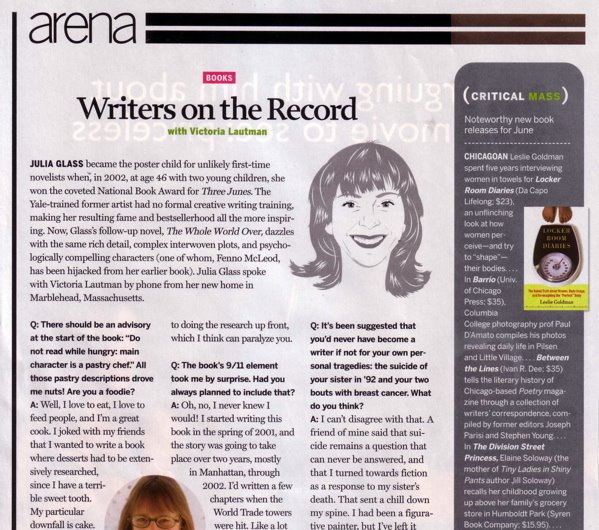
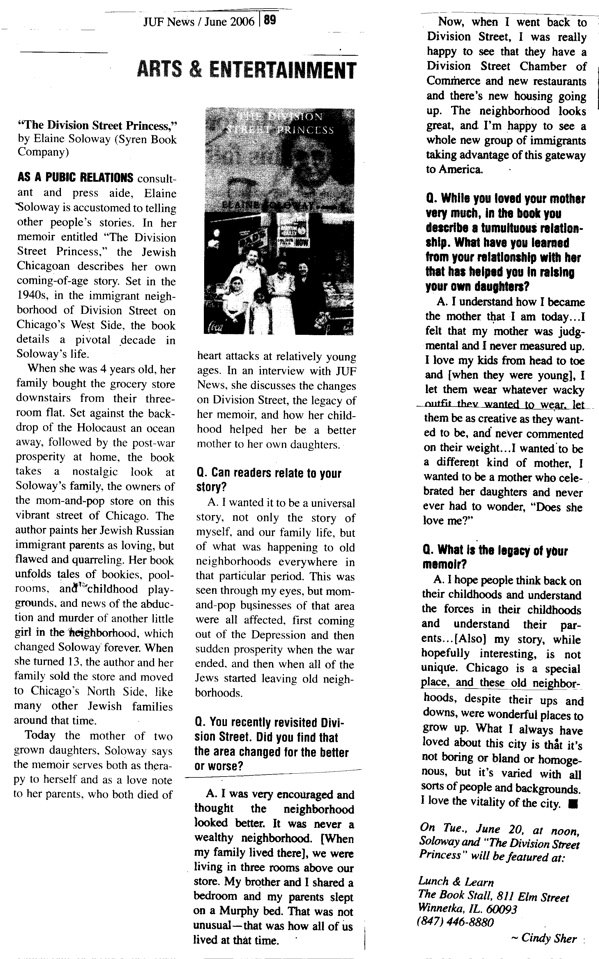
Special thanks to two journalists and their monthly publications that included us in their June pages: Victoria Lautman, Chicago Magazine and Cindy Sher, JUF News.

Monday, May 29, 2006

See, Hear, Think: 2 Shapiros Abound


Busy days are ahead for cousin Neil Shapiro and me, Elaine (Shapiro) Soloway: On Friday, June 2, 2006, from 6-10 p.m., Neil is a featured artist at Gallery 203, 1579 N. Milwaukee, Ste. 203, Çhicago, 773-252-1952. If you haven’t viewed Neil’s wonderful work (see above), you can check out his website, and attend the opening, too. The show runs through June 25, and wine and cheese awaits reception guests on the 2nd. Stop in.


On May 31st, Vanessa Bush, a talented reviewer for Chicago Public Radio’s “848” interviewed me re: THE DIVISION STREET PRINCESS. The WBEZ radio program will air during Steve Edward’s hour, sometime between 9-10 a.m. on Thursday, June 1. Luckily for me, the station posts episodes on its website, so you'll be able to hear the interview later that day, and forever after. Tune in.


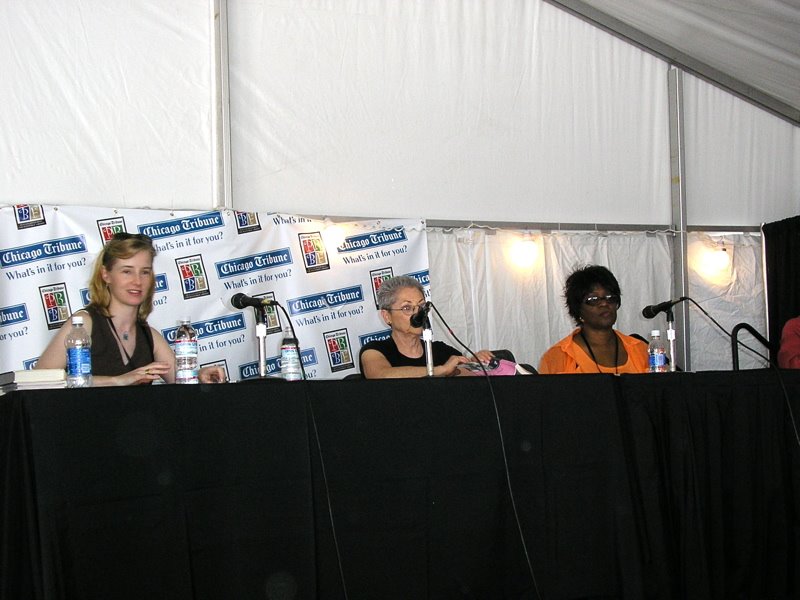
Finally, I’ll be part of a panel at the Printers Row Book Fair on Sunday, June 4, 2 p.m., at the Nelson Algren Stage, Harrison St. between Dearborn and Plymouth, Chicago. Authors Faith Sullivan (GARDENIAS) and Chris Burks (NEECEY'S LULLABY) will join me in a discussion moderated by Mary Davis Fournier, project director with the American Library Association’s Public Programs office and a member of the Printers Row Book Fair advisory committee. Come by.

Postcript: The May 25th event at Chicago’s Women and Children First bookstore was a smash, with 100 people attending and 70 books sold. Watching and hearing my family and best friend as they joined me in reading passages from THE DIVISION STREET PRINCESS -- while outfitted in grocery store aprons -- was incredibly satisfying for me, and our terrific audience. Here are a few photos from the occasion; but if you want to view lots more (and spot yourself), check out http://web.mac.com/elainesoloway.


Left to right: cousin Neil Shapiro, brother Ron Shapiro, me, grandson Isaac Soloway-Strozier, daughters Jill and Faith Soloway, cousin Renee Elkin.

Best friend Ruth Gilbert.

A giant thank you to Felicia Dechter of Pioneer Press for the article that appeared in the Weds. May 24, 2006 issue:

Saturday, May 20, 2006

Happy 90th Birthday, Aunt Etta!


Today, May 20, 2006 is my Aunt Etta’s 90th birthday. To celebrate, I’ve gathered a few photographs to share, as well as an excerpt from THE DIVISION STREET PRINCESS.

Joining me in honoring my wonderful aunt, are Etta’s two children: David and Estherly
(and spouse Leonard Reifman), as well as Etta’s grandchildren Alan, Lynn (and spouse Jeff Richman), and Steve; and her great granddaughters Ari and Jordyn. Estherly describes her mother as, “caring, loving, smart, and thoughtful, with an amazing inner strength.” Those of us who know and love Etta couldn’t agree more, and we encourage you to leave your good wishes for this kind and compassionate woman in the Comment section at the end of this post. Your greetings will be shared with her as a special birthday surprise.

For background: Etta Elkin Kaplan, my mother’s younger sister by three years, is in many pages of my memoir, as is Estherly, who is one year younger than I. When we in lived on Division Street in the 1940s, all of the Elkins – including their spouses and children -- were close- knit. (We still are to this day.) Back then; we often counted on one another for support, companionship, and at times, food and housing.

There are many excerpts I could have selected that would have illustrated the love between my mom and her sister, as well as between Estherly and me.

The one I chose is from a chapter called “Searching for the Spotlight,” in which I describe my brother Ronnie’s Bar Mitzvah (58 years ago to the day!) and Estherly’s and my dance recital. This is poignant because it marks the time the Kaplans left Division Street for Chicago’s South Side (to be closer to Uncle Maury's butcher shop), and when the neighborhood itself was beginning to drift away.

But first, more photographs:

A surprised Aunt Etta, sometime in the 1940s or 50s.


A Division Street scene in the late 1940s. From left to right: me, my dad, my mom, Estherly, Etta, Rose Elkin Levy. In the front row, cousins David Kaplan, Jay Levy, and Norman Levy.


My Uncle Maury (another prominent character in my memoir) is pictured between his children David and Estherly.


The Elkin family passport in 1922 with six children who were born in Russia (two more were born in the U.S.) My mom, with the big eyes, age 9, is on the far left, and Etta, age 6 is front and center. (You can meet all of the Elkins in my book.)

And now, the excerpt:

“A few weeks before the recital, Aunt Etta and Estherly came to our store to meet Mom and me for our Saturday activities. The two sisters would be joining Molly and Rose for department store browsing, and my cousin and I would be off to final rehearsals.

That’s when Aunt Etta broke the news. ‘Maury found a place,’ she said. My mother remained silent. ’It’s a butcher shop in South Shore, and we’ll be renting a beautiful six-room apartment nearby. Maury can walk to work from the building.’

‘Are you moving’ I asked, turning from my aunt to my cousin. To myself I thought, no more Sunday rides together in Dad’s car? No more play-acting on the streetcar? No more dance lessons taken together?

As my cousin looked to her mother for an answer, my own mother found her voice. ‘I’m happy for you, Etta,’ she said, but her tone was serious like the time she challenged her father about the cost of Ronnie’s party. Then, she put her arms around her younger sister and said, ‘Six rooms? So Estherly and David will have their own bedrooms? You’ll have a dining room?’

Stepping back from her sister’s embrace, and taking both of my mother’s hands in hers, Aunt Etta said, ‘Wait and see, you’ll move from Division Street one day, too. You’ll get rid of the store. You’ll get a bigger apartment in a better neighborhood. Be happy for me; this is good for Maury, for our family. We’ll still meet downtown on Saturdays. We’ll still see each other, just not every day.’”


.